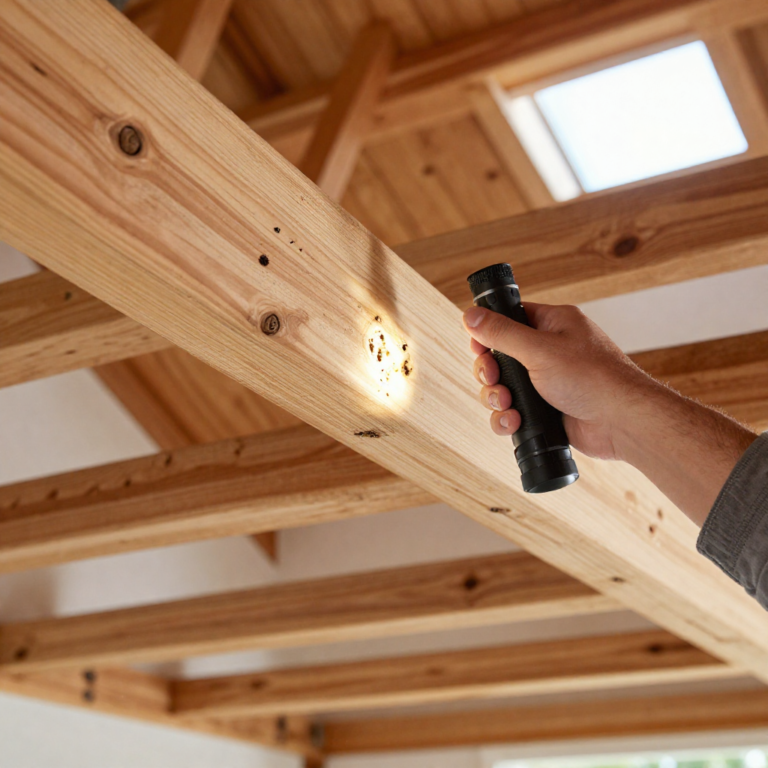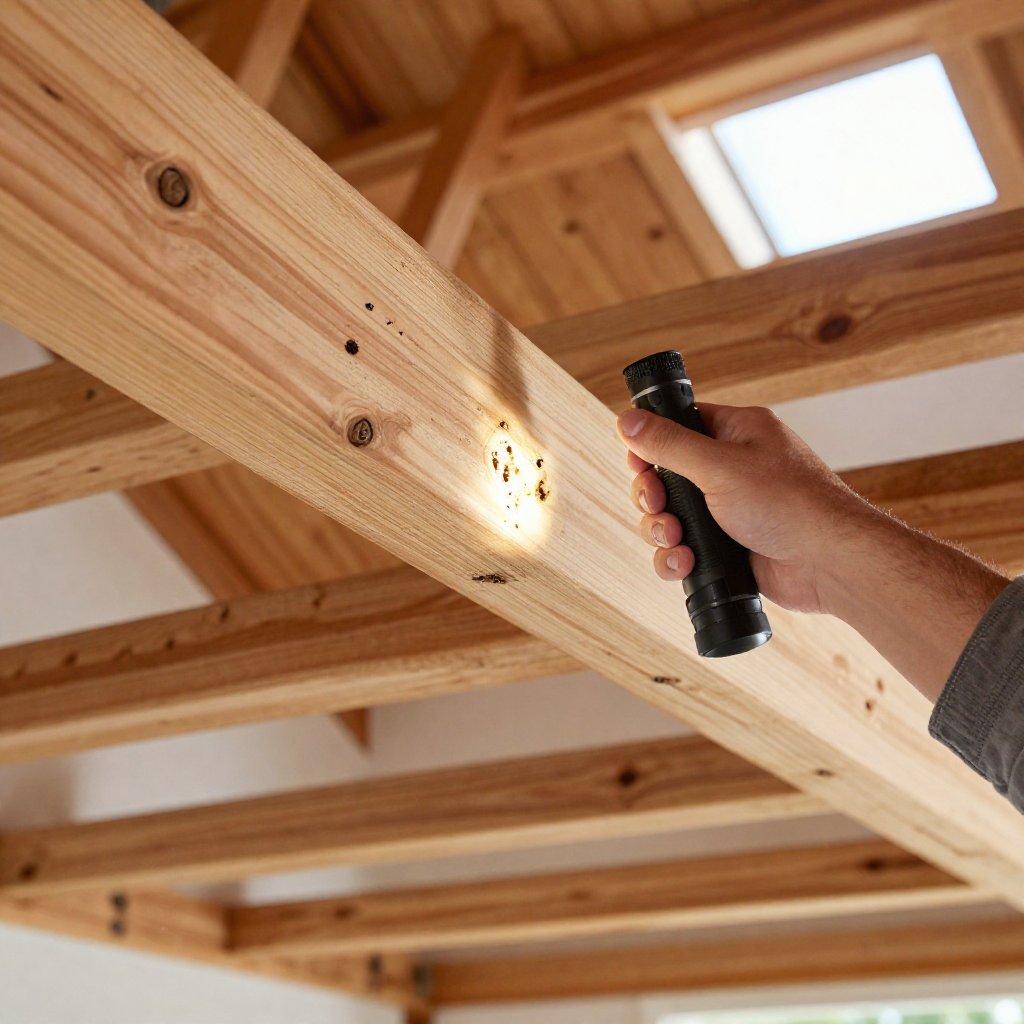
Woodworm damage is one of the most overlooked threats to wooden furniture, flooring, beams, and structural timber. Many homeowners fail to notice the early warning signs until the infestation has caused serious damage, leading to expensive repairs or even structural safety concerns. The good news is that identifying woodworm damage early can save you time, money, and unnecessary stress.
Whether you own an older property or simply want to protect valuable wooden furniture, understanding how woodworm develops and recognizing the warning signs is essential. This guide explains everything you need to know about identifying woodworm damage before it becomes a costly problem.
What Is Woodworm?
Despite the name, woodworm is not actually a worm. The term refers to the larvae of several species of wood-boring beetles. Adult beetles lay their eggs on or inside timber, and once the eggs hatch, the larvae tunnel through the wood while feeding on it. This hidden activity can continue for several years before the larvae emerge as adult beetles, leaving behind the familiar small exit holes.
Because most of the damage occurs inside the timber, a piece of wood may appear healthy on the outside while being severely weakened internally.Visit online https://www.shashel.eu for more details.
Why Early Detection Matters
Woodworm infestations rarely disappear on their own. Left untreated, they can spread throughout your property and affect:
- Wooden roof timbers
- Floorboards
- Ceiling joists
- Furniture
- Doors and window frames
- Staircases
- Decorative wooden features
The longer the infestation continues, the greater the structural damage and repair costs. Early identification allows homeowners to treat affected timber before extensive replacement becomes necessary.
Common Signs of Woodworm Damage
Knowing what to look for is the first step in preventing serious damage.
Small Round Exit Holes
Tiny round holes are the most recognizable sign of woodworm. These holes are usually between 1mm and 3mm in diameter, depending on the beetle species.
Fresh exit holes often have clean, sharp edges, while older holes may appear darker due to dust accumulation.
Look closely at:
- Wooden beams
- Furniture legs
- Cabinets
- Floorboards
- Skirting boards
Although old holes don’t always indicate an active infestation, they should always be investigated.
Fine Wood Dust (Frass)
Frass is a powdery substance produced by wood-boring larvae as they tunnel through timber.
Fresh frass usually appears:
- Light cream or pale brown
- Dry and powder-like
- Similar to fine sawdust
You may find frass collecting beneath furniture, around wooden beams, or below small exit holes.
Fresh frass is one of the strongest indicators that the infestation is still active.
Weak or Crumbling Timber
As larvae consume the inside of wood, they leave behind a network of tunnels.
Eventually, timber may become:
- Soft
- Brittle
- Hollow
- Easy to break
If you gently press a screwdriver into suspicious timber and it easily penetrates the surface, internal damage may already be extensive.
Never ignore weakened structural timber, especially in roofs or floors.
Visible Beetles
Adult wood-boring beetles usually emerge during warmer months, particularly between late spring and early summer.
Finding live beetles near wooden surfaces may indicate an active infestation.
Common woodworm beetles are typically:
- Small
- Brown or black
- Between 2mm and 7mm long
Dead beetles found on windowsills can also suggest that adults recently emerged from nearby timber.
Tunnels Inside the Wood
If damaged timber is cut open, you may notice intricate tunnels running through the interior.
These galleries are created by larvae feeding beneath the surface.
The more extensive the tunnels, the weaker the timber becomes.
Areas Most at Risk
Woodworm can affect almost any untreated timber, but some locations are particularly vulnerable.
Roof Spaces
Roof timbers often provide ideal conditions because they can remain undisturbed for years.
Inspect:
- Rafters
- Joists
- Roof trusses
- Loft flooring
Cellars and Basements
High humidity encourages woodworm development.
Check timber stored in damp basements or crawl spaces regularly.
Wooden Furniture
Antique furniture is especially susceptible because older timber may not have modern protective treatments.
Pay attention to:
- Table legs
- Chairs
- Wardrobes
- Cabinets
- Chests of drawers
Wooden Floors
Floorboards can hide infestations for years.
Warning signs include:
- Sagging floors
- Weak spots
- Unusual creaking
- Fine dust between floorboards
Conditions That Encourage Woodworm
Woodworm thrives in certain environments.
Common risk factors include:
- Poor ventilation
- High humidity
- Water leaks
- Condensation
- Untreated timber
- Older buildings
Keeping timber dry is one of the most effective ways to reduce the risk of infestation.
How to Inspect Your Property
Regular inspections can help identify problems before they become severe.
Start by examining visible wooden surfaces under good lighting.
Look carefully for:
- Fresh holes
- Powdery dust
- Surface cracks
- Discoloration
- Soft wood
Use a flashlight to inspect hidden areas such as:
- Lofts
- Basements
- Under stairs
- Behind furniture
If you suspect structural damage, avoid drilling or cutting into supporting beams without professional advice.
Active vs. Old Woodworm Damage
One common mistake is assuming every exit hole means there is an active infestation.
Signs of active woodworm include:
- Fresh pale frass
- Clean exit holes
- Live beetles
- New holes appearing over time
Signs of old damage include:
- Darkened holes
- No fresh dust
- No visible insects
- Stable timber condition
A professional inspection can determine whether treatment is still necessary.
Preventing Future Woodworm Problems
Prevention is always easier and less expensive than repairing damaged timber.
Consider these preventive measures:
- Keep indoor humidity low.
- Repair roof leaks promptly.
- Improve loft ventilation.
- Avoid storing damp wood indoors.
- Treat exposed timber with appropriate wood preservatives.
- Inspect older furniture regularly.
- Address moisture problems before they worsen.
Routine maintenance significantly reduces the likelihood of future infestations.
When to Call a Professional
While minor infestations may be manageable, professional help is recommended when:
- Structural beams are affected.
- Damage appears widespread.
- New holes continue appearing.
- Timber feels dangerously weak.
- You cannot determine whether the infestation is active.
Professional specialists can identify the beetle species, assess the extent of damage, and recommend the most effective treatment plan.
Repairing Woodworm Damage
The appropriate repair depends on how much timber has been affected.
Minor cases may only require:
- Wood treatment
- Filling small holes
- Surface restoration
More severe infestations may require:
- Replacing damaged beams
- Installing new floorboards
- Reinforcing structural supports
- Treating surrounding timber to prevent reinfestation
Prompt repairs help maintain both the safety and value of your property.
Conclusion
Woodworm damage often develops quietly, making regular inspections essential for every homeowner. Small exit holes, powdery frass, weakened timber, and the appearance of adult beetles are all warning signs that should never be ignored. The earlier you identify an infestation, the easier and more affordable it is to treat.
By maintaining a dry, well-ventilated environment, inspecting wooden structures regularly, and seeking professional assistance when necessary, you can protect your home from serious woodworm damage. Early detection not only preserves your property’s structural integrity but also helps avoid costly repairs in the future.
About the Author